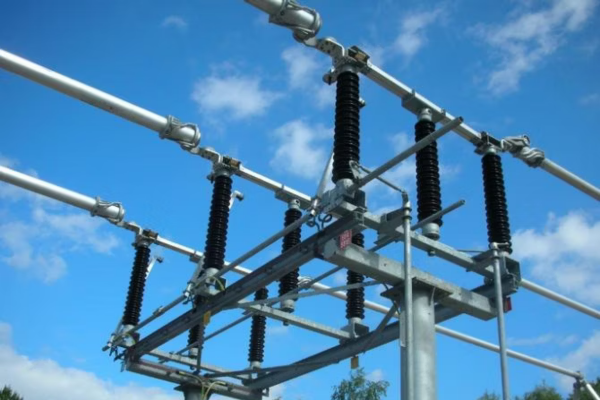
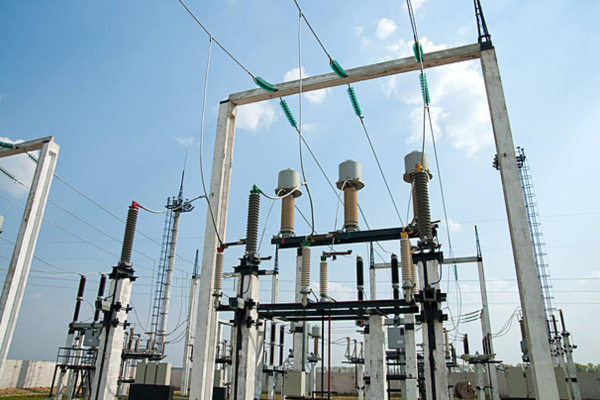
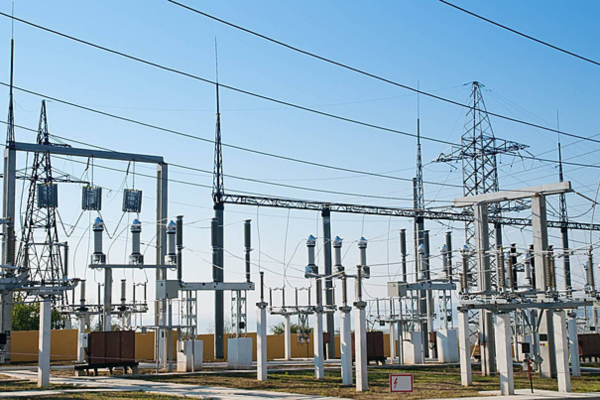
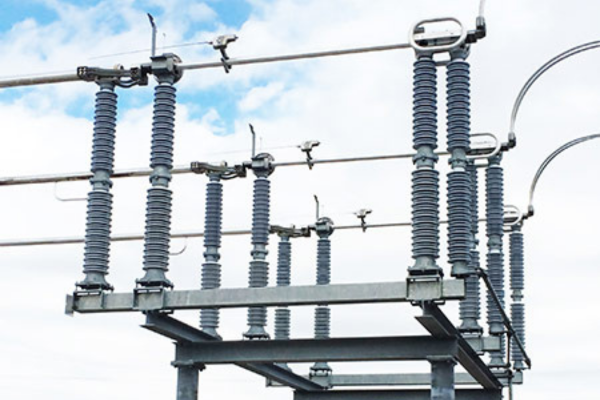
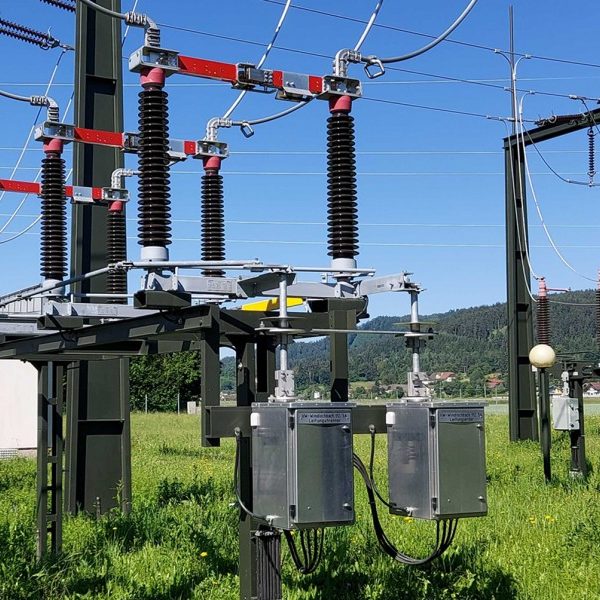
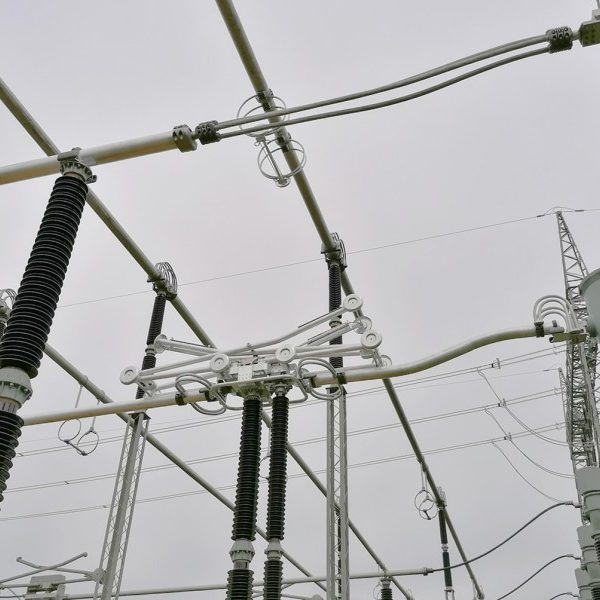
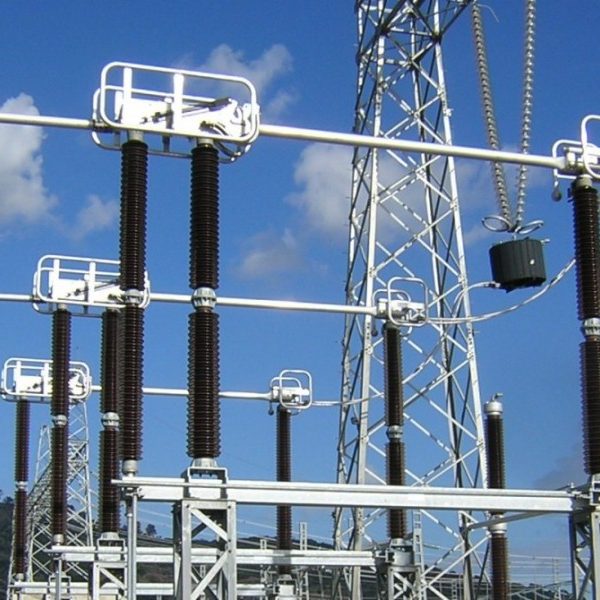
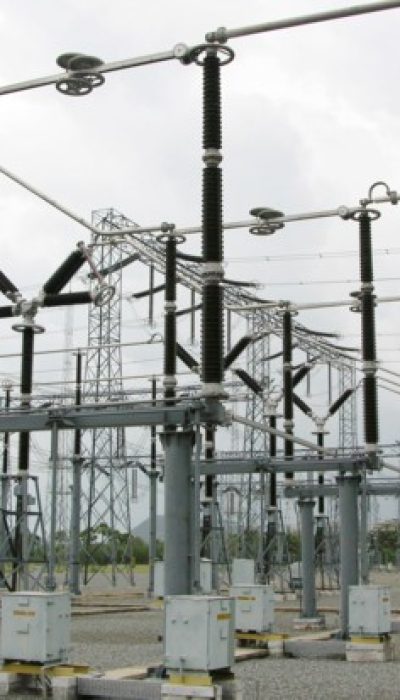
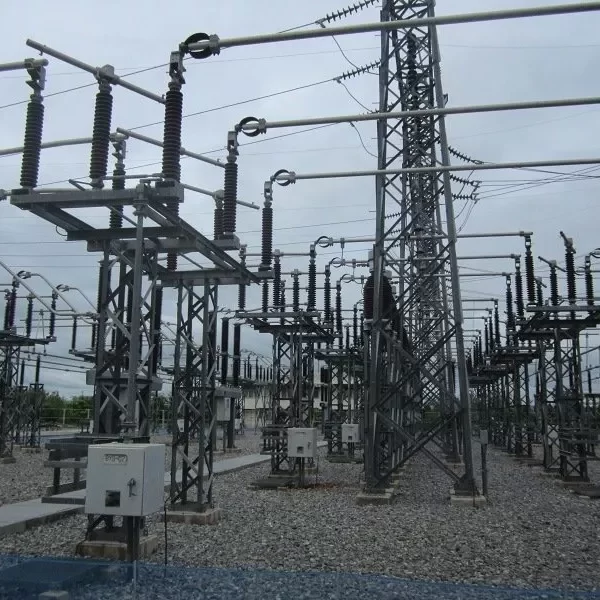
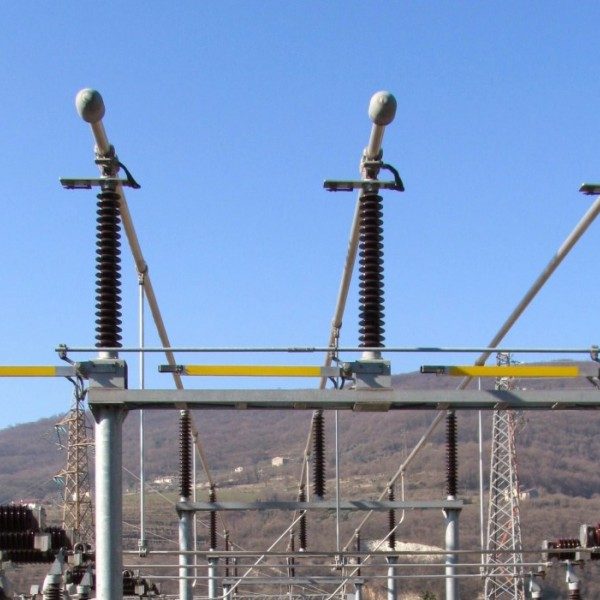
T & D Disconnectors (Disconnecting Switches) are essential components in transmission and distribution networks. Their primary purpose is to safely isolate portions of the electrical system during maintenance, fault conditions, or system upgrades. Disconnectors provide a visible, secure open break in the circuit, ensuring safety for personnel and equipment. They are designed to operate under no-load conditions but are built to withstand operational stresses like mechanical wear, environmental influences, and occasional transient surges.
Our T & D Disconnectors are engineered to meet high reliability, safety, and durability standards. Constructed with robust materials and precision mechanics, our disconnectors accommodate various system voltages and configurations, from medium voltage networks to high voltage transmission lines.
They facilitate maintenance, protect against inadvertent energization, and support safe switching operations in substations, distribution stations, and industrial power grids.
Features
Visible Break / Clear Gap: Provides a plainly visible open gap to confirm circuit isolation.
High Dielectric Strength: Withstands system voltage and overvoltages without breakdown.
Robust Mechanical Design: Durable moving parts, precision linkage, and resistant to wear.
Low Maintenance: Minimal lubrication and upkeep, long service life.
Corrosion Resistance & Environmental Protection: Materials and coatings to resist rust, UV, salt, pollution, and humidity.
Multiple Configurations Can be designed for horizontal, vertical, gang, center-break, double-break, or pantograph types.
Centre Break
Most widely used type, where the arms open at the center to create a visible break. Suitable for medium and high-voltage substations.