A disconnector is a switching device which provides, in the open position, an isolating distance in accordance with specified requirements.
A disconnector is also capable of:
Disconnectors are basically safety devices, since their main goal is protecting the staff working in the substations, providing “VISUAL evidence” of circuit opening.
Different models of disconnectors exist, according to the type of connection established within the circuit (horizontal or vertical), the type of break (single or double), the movement of main circuit, etc.
The choice of the right disconnector is influenced by many different factors, usually related to the design of the substation in which it will be installed (rated voltage, availability and cost of the land, type of connection required…). However, familiarity with the use of one type of disconnector rather than another is sometimes the driving factor determining the final choice.
We can supply all models of disconnectors required by the market, ensuring their maximum reliability, also under the most severe operating conditions (in coastal and/or industrial areas, in geothermal areas, in the presence of ice, at extreme temperatures, in seismic areas…).
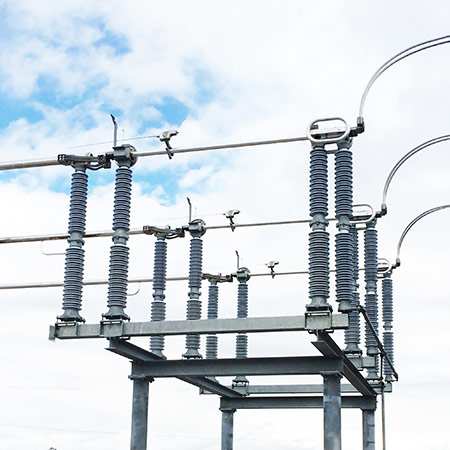
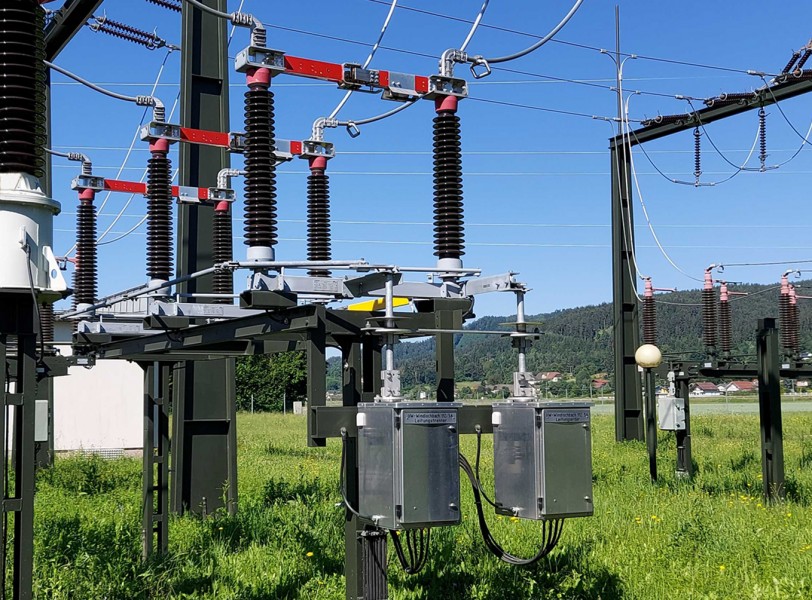
The centre-break disconnector consists of two arms which, by moving in a coordinated way on a plane which is perpendicular to that of the insulators supporting them, close the circuit at a point which is located approximately mid-way.
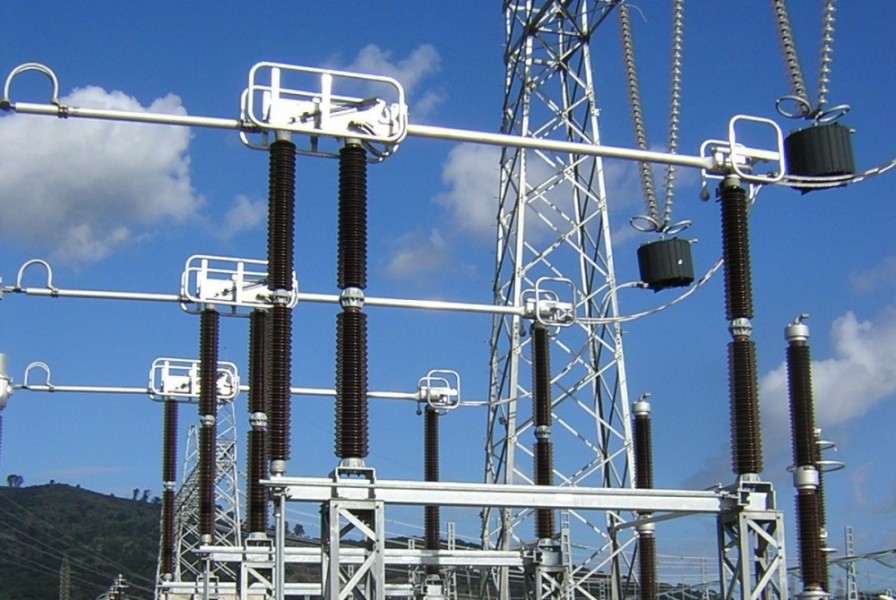
The vertical-break disconnector consists of one arm which, by moving on the plane of the insulators supporting it, closes the circuit on a fixed contact located on the side insulator.
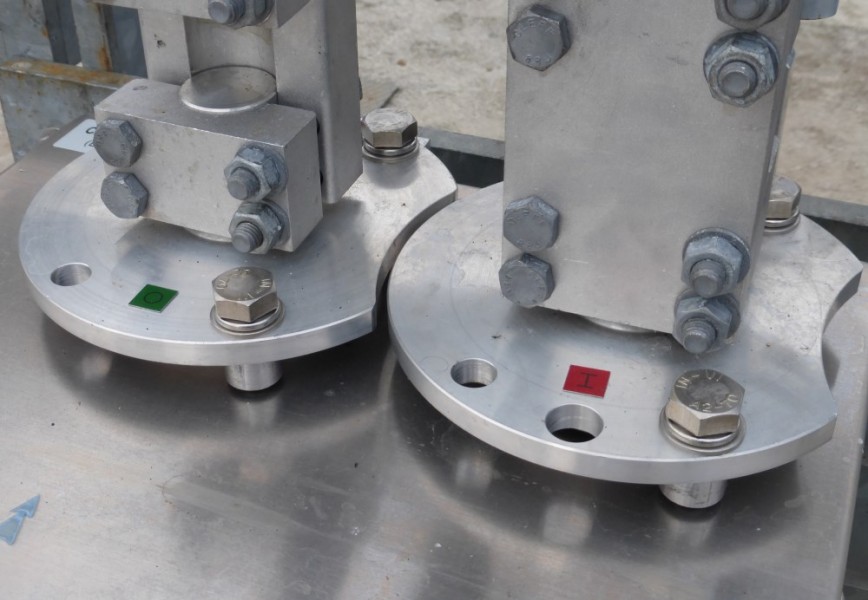
Motor operating mechanisms allow for both local and remote motor operation of any COELME-EGIC disconnector and, upon request, they can also be easily adapted to equipment from other manufacturers.
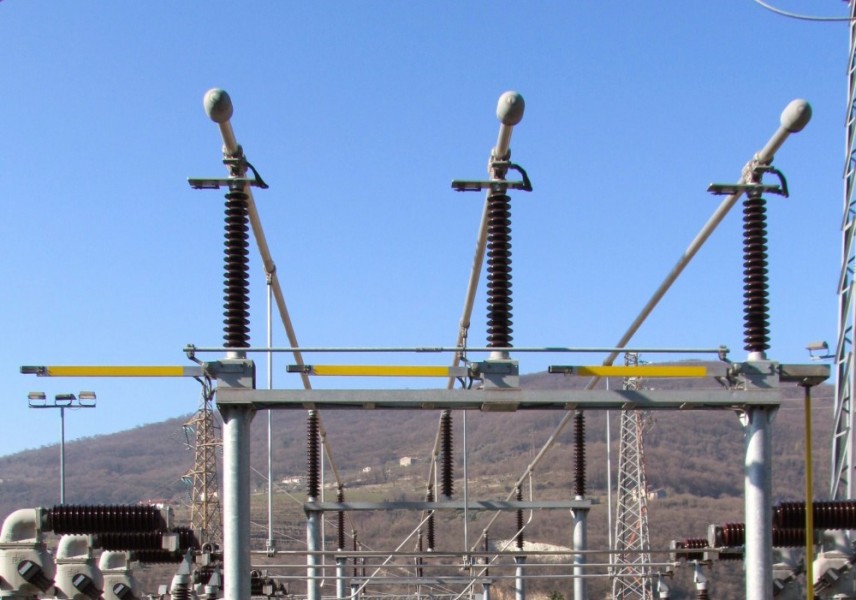
Special earthing switches are available for the connection to ground of neutral points: in this case, the earthing switches are equipped with suitable insulators both under the supporting frame and along the vertical driving shaft.
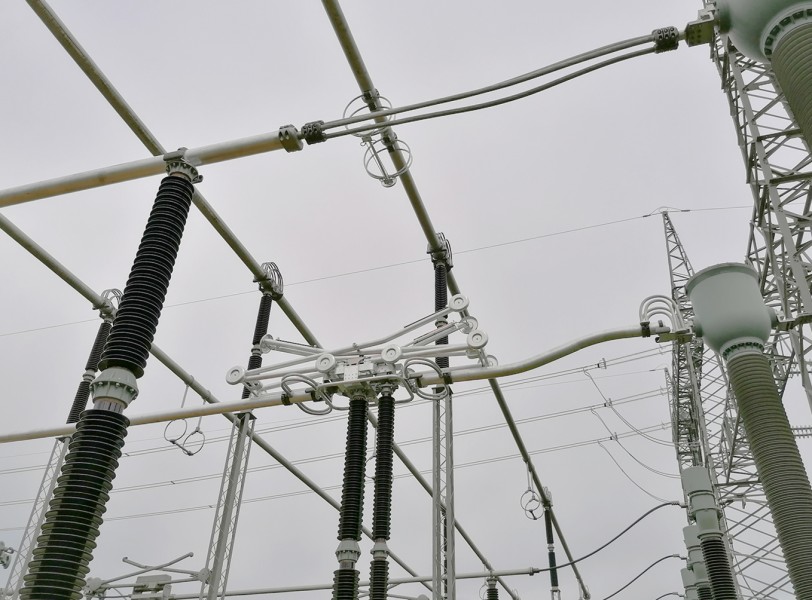
The pantograph disconnector consists of two articulated half-arms which, by moving in a coordinated way and “vertically” on the plane of the insulators, close the circuit on a fixed contact connected the upper busbar.
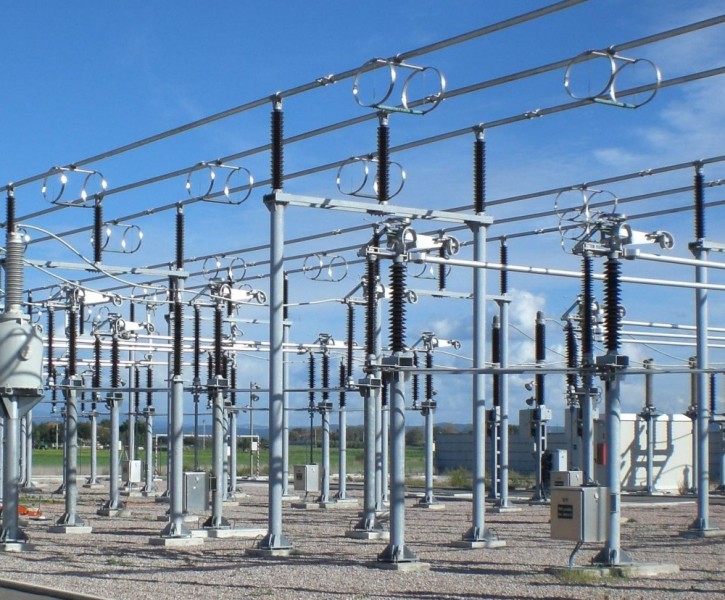
The semi-pantograph disconnector consists of one articulated arm which, by moving “vertically” on the plane of the insulators, closes the circuit on a fixed contact connected to the upper busbar.
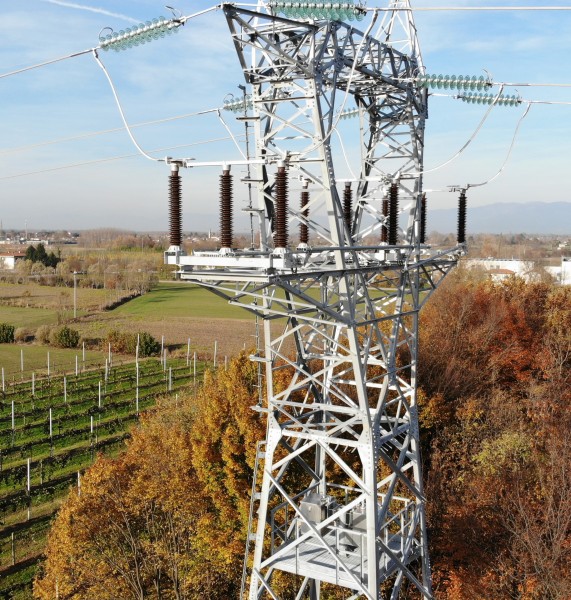
The double-break disconnector consists of one arm which is moved by the central insulator supporting it and closes the circuit on two fixed contacts, each of them placed on one of the two side insulators.
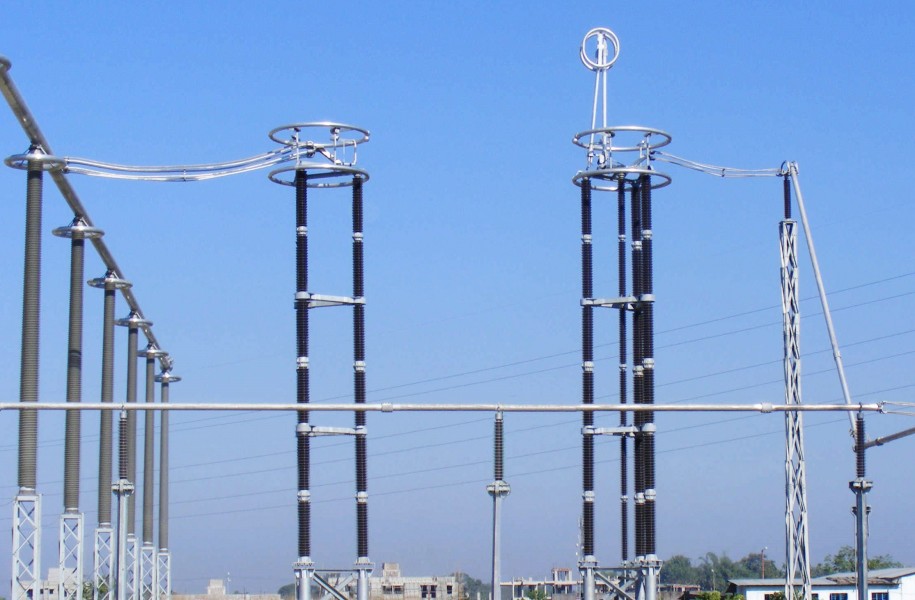
The knee-type disconnector consists of one articulated arm which, by moving “horizontally” on the plane of the insulators, closes the circuit on a fixed contact located on the side insulator.
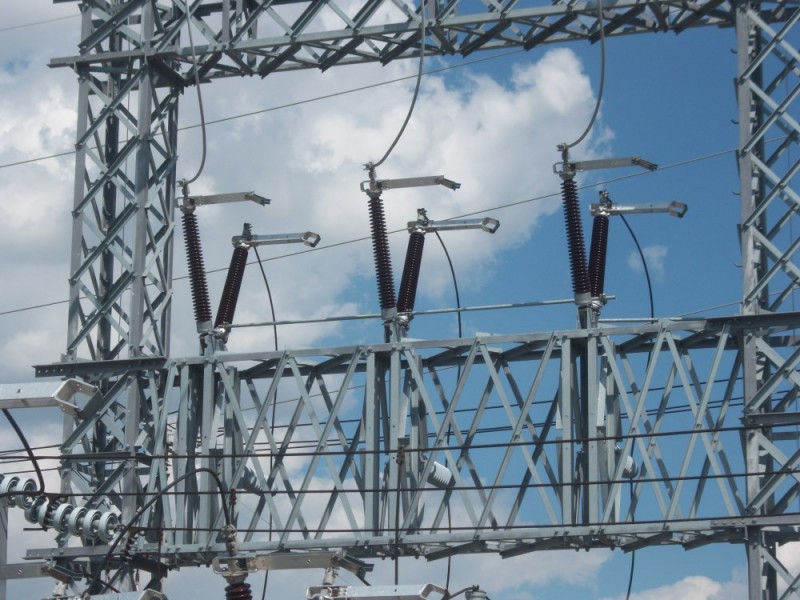
The V-type centre-break disconnector consists of two arms which, by moving in a coordinated way, each of them on a perpendicular plane to that of the respective supporting insulator, close the circuit at a point which is located approximately mid-way.
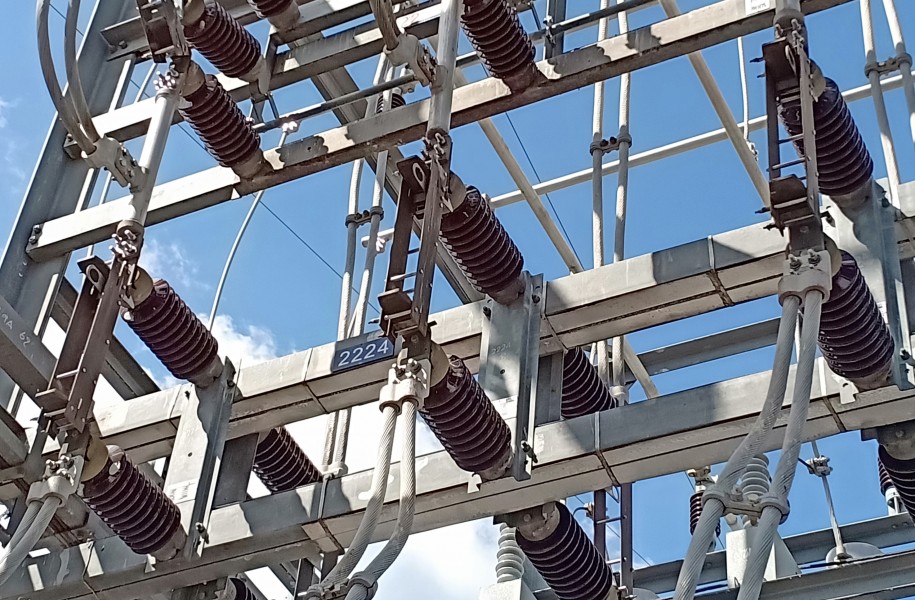
The hookstick operated disconnector is the smallest, the most compact and the cheapest within COELME-EGIC range of disconnectors. It is a vertical-break disconnector equipped with an eye placed at the end of the arm, which allows for pole-by-pole manual operation by means of a hookstick.
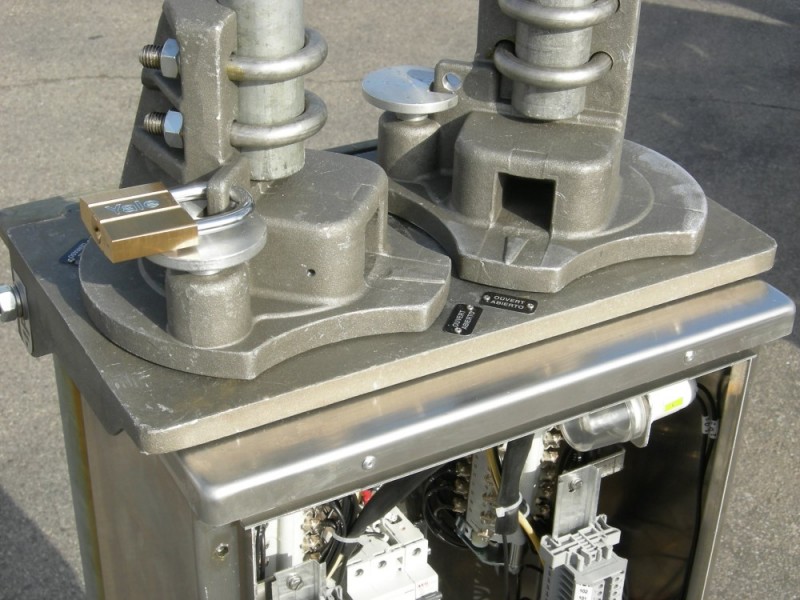
Manual operating mechanisms allow for manual operation of any COELME-EGIC disconnector and, upon request, they can also be easily adapted to equipment from other manufacturers.
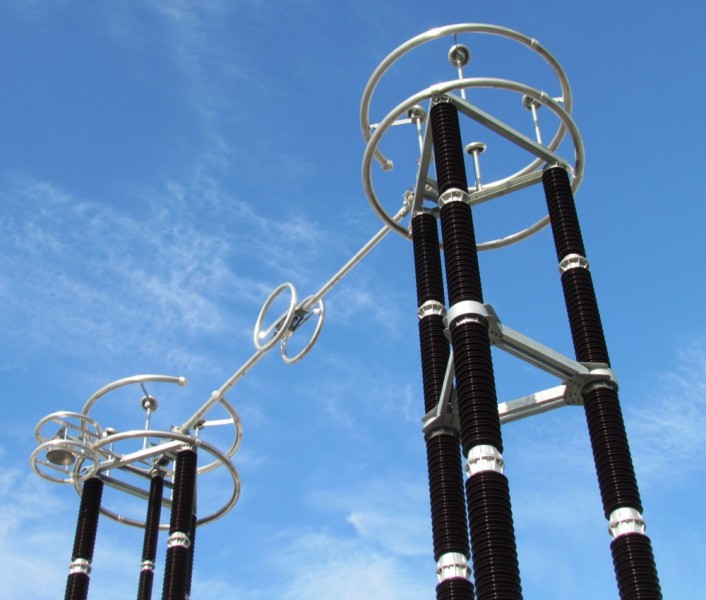
HVDC equipment comprises both disconnectors and earthing switches to be installed on HVDC plants.
